Why Do Trading Apps Not Show Expected Value Like Casinos Do?
When you open a casino website or step into a casino, you often can find clear, straightforward information about the house edge or the return-to-player (RTP) percentage. Those numbers let you quickly grasp your expected value (EV) before committing money. Yet, if you dive into today’s popular brokerage apps — especially those showing flashy weekly options for retail investors — you won’t see anything close to that level of transparency. Why is that?
The Real Dividing Line: Expected Value
Expected value is not a buzzword or a vague “risk” assessment. It’s a precise mathematical quantity: the average amount you lose or gain per bet (or trade) in the long run. The sign how to get gambling support UK in front of the number tells you if you're expected to make or lose money. In casino games, expected value is usually negative for players — that’s how the house secures long-term profit. In investments, particularly broad equity ownership, expected value is often positive, reflecting economic growth over time.
Without framing decisions in terms of expected value, all you’re left with is “vibes” about risk — which is unhelpful. Casinos embrace expected value because it exposes their business model clearly. Most trading apps do not. Let’s unpack why.
Options Trading Costs Are Hidden, Not Transparent
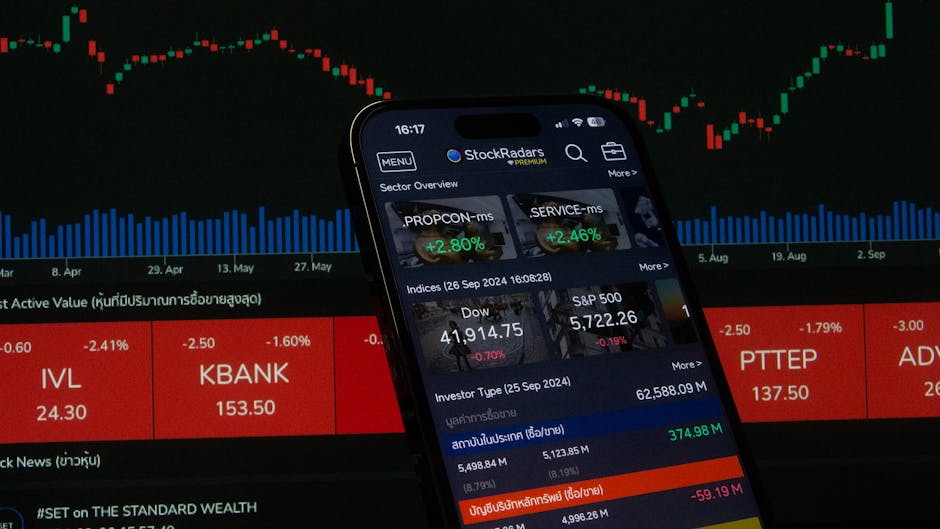
Take a typical brokerage app that lets users buy weekly options. These are short-duration contracts on stocks or indices, often marketed with bright colors and confetti animations when orders execute — the perfect recipe for gambler-like behavior. But what about the bid-ask spread cost, commissions, and other subtle ways trading costs chip away at returns?
Components Eating Away the Expected Value
- Bid-Ask Spread: The difference between what buyers pay and what sellers receive is a hidden cost. The app often shows this spread, but users rarely compute the impact on expected returns.
- Commissions and Fees: Brokerages sometimes advertise “commission-free” trading, but other fees or payment structures (like payment for order flow) still affect execution quality, effectively increasing costs.
- Theta Decay: Options lose value over time, a phenomenon called theta decay. This decay is a relentless, mathematically predictable loss for holders of long options positions, directly eroding expected value.
- Assignment Risk: If you sell options, you risk being assigned — forced to buy or sell the underlying at unfavorable prices, which adds uncertainty and cost.
Because these costs and risks are scattered and complex, apps tend not to aggregate them into a single expected value figure. Instead, they leave investors to piece together incomplete information or rely on anecdotal advice.
Contrast With Casinos: RTP Published and Clear
Casinos must disclose RTP as a percentage for most games — blackjack, slots, roulette — giving players a well-defined measure of expected value before betting. This disclosure aligns incentives and builds trust: players understand the cost of entertainment upfront and can make informed decisions.

Trading apps, by contrast, do not have a standard or regulatory expectation to disclose net expected value. They showcase price data and executions but not the compounded cost impact of spreads, decay, slippage, and commissions together.
This lack of transparency creates an asymmetry. While casinos openly flag their edge, trading platforms hide the "house advantage" embedded in pricing and mechanics. As a result, retail traders often incur persistent losses without recognizing the math behind it.
Time Horizon and the Law of Large Numbers: Why Expected Value Matters More Than Ever
Expected value isn’t just for gamblers counting cards; it’s crucial for investors holding positions over time. The law of large numbers means that over many repeated trades or bets, the average result will approach the expected value. If the EV is negative, losses mount predictably.
- Broad Equity Ownership: Generally positive EV, benefiting from economic growth and dividends. If you buy a well-diversified index fund and hold for decades, you *should* see gains above inflation.
- Weekly Options Trading: Often negative EV for retail traders. The combination of bid-ask spread, theta decay, commissions, and execution risk compounds so that most short-term option buyers lose money on average.
Yet apps encourage trading behavior that ignores this principle, offering short-term options with frequent expiration cycles that invite repeated, statistically losing bets. Without highlighting expected value, traders rarely realize that “the sign in front of the number” is negative — a critical piece of information they need.
Why Don’t Trading Apps Show Expected Value Like Casinos?
The reasons boil down to complexity, regulation, and business incentives.
- Complex Pricing Structure: Calculating expected value for an options trade requires parsing many variables: underlying volatility, time decay, spread, commissions, and assignment risk. It’s computationally intensive and dynamic. Showing a constantly shifting EV on every trade is challenging.
- No Regulatory Mandate: Unlike casinos operating under strict gaming commissions, trading platforms are not required to provide expected value disclosures to customers.
- Business Model Incentives: Retail brokers profit when clients trade frequently and take complex positions like weekly options. Making negative EV obvious might discourage such trading volume.
- User Experience and Gamification: Many apps utilize gamified interfaces that celebrate trades rather than caution users. They prioritize engagement over education, which conflicts with transparent EV disclosure.
What Retail Traders Should Do
Because brokerage apps don’t do it for you, here’s what you must do:
- Calculate Bid-Ask Spread Costs: Always note the size of the spread relative to the option premium. Wider spreads mean higher immediate loss.
- Account for Theta Decay: Option prices lose value each day. Model or understand how quickly time reduces your option’s value.
- Be Wary of Commissions and Fees: Don’t trust “commission-free” at face value. Factor in all costs.
- Consider Assignment and Execution Risks: If selling options, plan for possible assignment and margin requirements.
- Use Long-Term, Positive EV Strategies: Broad index investing, dividend reinvestment, and buy-and-hold demonstrate positive expected value over time.
Summary Table: Casinos vs Trading Apps on Expected Value Disclosure
Aspect Casino Games Retail Trading Apps (Options) Expected Value Visibility Explicitly published as RTP or house edge Not shown; must be inferred or calculated by user Complexity of Calculation Simple, fixed odds and payouts Complex; depends on spreads, decay, commissions, assignment Regulatory Disclosure Required by gaming commissions Not required for retail platforms Business Incentive Transparency builds trust; losses are inevitable Incentive to encourage frequent trading; EV obscured User Experience Focus on clear probabilities and RTP Gamified UI, confetti, fast tradesFinal Thoughts
Understanding expected value — including the sign in front of the number — is fundamental to making informed trading and investment decisions. Retail investors using weekly options on brokerage apps face a complex web of hidden costs and negative expected values that are rarely disclosed. Unlike casinos, which openly publish RTP and house edge, trading platforms leave users to navigate confusion and ambiguity.
For anyone tempted by rapid turnover trading or frequent options speculation, Find more information realizing that most retail trading strategies show negative expected value is critical. Without that insight, you’re not trading — you’re gambling, with a hidden house edge working against you.
Remember: When it comes to trading or betting, the expected value and its sign matter more than any “vibe” or “risk” narrative. Demand numbers, crunch the costs, and invest with transparency.