Why Are Buyers More Picky in 2026 Than During the 2022 Boom?
In 2022, a desirable Rolex could attract attention before it had even reached the display case. Buyers competed for scarce sports models, resale prices surged, and the fear of missing out often mattered more than a careful inspection. In 2026, the mood is different. The pandemic-era frenzy ended, prices have had time to reset, and buyers have more information—and more room to walk away.
From the perspective of a Los Angeles luxury resale desk, this change is easy to recognize. Clients still want iconic watches, but they ask more questions about condition, service history, https://instaquoteapp.com/why-is-my-rolex-offer-lower-than-what-i-see-online/ originality, and the seller’s return or authentication process. They compare listings, examine recent transactions, and distinguish a genuinely strong example from a watch that is merely popular. In short, buyers are more discerning because the market now rewards confidence and value rather than speed alone.
From the 2022 Peak to the 2026 Recovery
The resale market’s path since the boom has not been a straight line. During the pandemic, constrained retail supply met a wave of buyer demand. Some buyers wanted a watch they could not readily obtain from an authorized dealer; others treated highly sought-after references as investments. Competition pushed asking prices—and, in many cases, actual transaction prices—well above earlier levels.
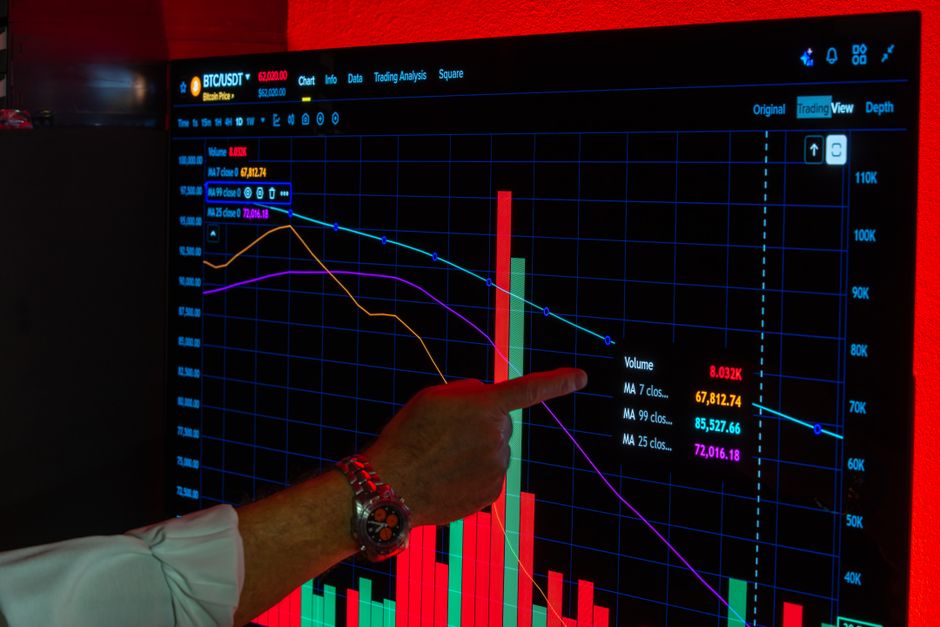
That acceleration proved difficult to sustain. As speculative interest cooled and more watches came onto the market, the premium buyers were willing to pay began to compress. Across the broader luxury-watch resale market, the post-2022 period brought a notable price slump, although individual brands and references did not move in lockstep. A sought-after steel sports model, a precious-metal dress watch, and a less liquid reference could each follow a different trajectory.
By 2026, the conversation has shifted from “How high can it go?” to “Is this a fair price for this particular watch?” There are signs of recovery in parts of the Rolex secondary market, but a rebound is not the same as a return to peak-era conditions. For example, Rolex secondary-market prices rose 1.7% in Q1 2026 versus the previous quarter. That is a useful signal of quarterly movement—not proof that every Rolex reference rose, or that every seller can command a premium.

A simplified market timeline
- Pandemic-era boom: Strong demand and limited availability helped push prices for popular watches sharply higher.
- 2022 peak: Competition and optimistic expectations were especially visible in high-demand categories.
- Post-peak correction: As the frenzy faded, pricing adjusted and buyers became more cautious about paying a large premium.
- 2026 recovery: Some segments have shown renewed strength, while buyers continue to scrutinize each watch’s condition, price, and provenance.
This timeline is a broad market description, not a price forecast. The important point for shoppers and sellers is that the market has matured. A watch’s reference, configuration, condition, and documentation matter more than a headline about the direction of the entire category.
Why Buyers Have More Leverage—and More Questions
During the boom, scarcity and urgency could overwhelm practical concerns. In today’s market, buyers can often compare more listings and wait for a watch that suits their budget. That changes the balance of a negotiation. A seller who cannot explain a watch’s condition or support the asking price may lose a buyer to a better-documented example.
Buyers are also more experienced. Many have watched prices rise and fall, and they have learned that a popular name alone does not guarantee a good purchase. Before committing, they may check whether the dial, hands, bezel, bracelet, and other components appear correct for the reference and period. They may also ask whether parts were replaced during service, whether those replacements are appropriate, and whether the watch has been polished or altered.
That is why the phrase original parts matter more resonates in 2026. Originality can affect collectability and buyer confidence, but it should be evaluated in context. A properly documented service replacement is not automatically a defect; an undisclosed or mismatched component is a different matter. Buyers want clear, specific information rather than a vague promise that a watch is “all original.”
What a careful buyer may ask
- Does the reference and serial information align with the watch’s configuration?
- Have any parts been replaced, refinished, or modified?
- Is there a service record, and who performed the work?
- How does the actual condition compare with the photos and description?
- Does the price make sense against recent, comparable sales—not just current asking prices?
- What authentication, return, and after-sale support does the seller provide?
Better Data Has Raised the Bar
Buyers in 2026 have more tools for evaluating the market than buyers did during the peak. A shopper can compare listings, look at historical trends, and follow auction results before making an offer. These sources do not replace a hands-on inspection, but they make it harder for an unsupported asking price to pass without scrutiny.
WatchCharts, a watch-pricing platform, gives users market-oriented pricing information and reference-level tracking. EveryWatch, a watch-auction platform, helps users follow auction listings and results across the market. Used thoughtfully, the two can answer different questions: pricing tools help frame broader movement, while auction data can show what particular watches have attracted in a specific sales setting.
Neither source should be treated as a definitive appraisal. An asking price is not necessarily a completed sale, and an auction result may reflect a unique combination of condition, provenance, venue, buyer interest, and fees. The most useful comparison is between genuinely similar watches: the same or closely related reference, comparable condition, similar completeness, and a clear understanding of whether the number represents an ask or a transaction.
Financial and news coverage also informs buyer expectations. Morgan Stanley’s luxury-market analysis and reporting by the Los Angeles Times can help readers understand broader shifts in luxury demand and consumer behavior. But broad economic context cannot tell a buyer whether one specific Rolex has been polished heavily or whether its bracelet is correct. Market data sets the frame; inspection determines the particulars.
Condition and Documentation Are Part of the Price
Two watches that share a reference number can still deserve different prices. One may have sharp case lines, an attractive dial, a tight bracelet, and a coherent service history. Another may have a replaced component, extensive polishing, missing links, or unclear provenance. Buyers who compare only the model name and headline price can overlook the details that separate a strong example from a compromised one.
In a consignment intake or buy offer, those details affect more than presentation. They influence how confidently a retailer can describe the watch, what work it may need, and how readily a future buyer is likely to trust it. A complete set of box and papers can be helpful, but it does not guarantee condition or authenticity on its own. Conversely, a watch without its original box may still be a compelling purchase if its identity, condition, and history are properly assessed.
Buyers increasingly expect clear photographs and plain-language disclosures. A seller should identify visible wear, explain known service work, and avoid implying certainty where the records are incomplete. Transparency may not eliminate negotiation, but it gives both sides a more credible starting point.
Certified Pre-Owned and the Value of Credibility
Certified Pre-Owned (CPO) programs have helped make credibility a central part of the resale conversation. A CPO watch is offered under a defined program that may include inspection, authentication, a warranty, or other stated assurances. The exact terms vary, so buyers should read what is actually included rather than assuming every program rolex resale prices 2026 offers identical protection.
For a cautious shopper, a credible seller can reduce uncertainty: Who inspected the watch? What was checked? Is there a written warranty? What happens if a concern arises after purchase? These questions matter because authentication is not a decorative extra—it is part of the value proposition when buying a high-priced pre-owned watch.
CPO is not the only trustworthy route. Independent specialists and established resale businesses can also provide rigorous inspection and transparent service records. The key is specificity. A convincing seller should be able to explain the process, distinguish known facts from estimates, and provide terms in writing. In 2026, buyers are less likely to accept a reassuring label without evidence behind it.
What This Means for Rolex Buyers and Sellers
Rolex resale recovery gives sellers reasons for optimism, but the market is no longer a rising tide that lifts every watch. A desirable reference in excellent, well-supported condition may attract strong interest, while a watch priced as if the 2022 peak never ended may sit. Buyers, meanwhile, should not assume that a cooler market makes every listing a bargain. The right question is whether the specific watch represents fair value for its condition, completeness, and risk.
For buyers
- Compare completed sales where possible, and distinguish them from current asking prices.
- Ask for clear disclosures about replaced parts, polishing, service, and known condition issues.
- Use WatchCharts and EveryWatch as research tools, not substitutes for authentication.
- Review the seller’s written warranty, return policy, and inspection process before paying.
- Take time to compare examples; urgency is less likely to be a sound strategy than it was at the height of the boom.
For sellers
- Price against recent, relevant market evidence rather than the most optimistic listing you can find.
- Document condition and service history as thoroughly as possible.
- Disclose known replacements or refinishing clearly; surprises undermine trust.
- Present the watch accurately, with useful photographs and realistic expectations.
The Bottom Line
Buyers are more picky in 2026 because the conditions that fueled the 2022 boom have changed. The pandemic-era frenzy ended, prices corrected, and shoppers gained access to better market tracking. As parts of the Rolex secondary market recover—including the reported 1.7% quarter-over-quarter increase in Q1 2026—buyers are still asking whether a particular watch is worth its particular price.
That is a healthier kind of scrutiny. Originality, condition, documentation, and seller credibility now carry more weight, while data from platforms such as WatchCharts and EveryWatch helps buyers ask sharper questions. For sellers, the lesson is straightforward: a strong watch can still command attention, but trust and evidence have become essential parts of the deal.