Why a 4% House Edge Is Like a Ticket Price
When you hear "4% house edge," most folks immediately think of casinos. And rightfully so — the house edge meaning is a thinkaora cornerstone concept in gambling, defining how the casino stays profitable over the long run. But what if I told you that a 4% house edge is essentially a ticket price you pay for the ride? That you see the same kind of hidden cost structures in financial products too, especially in things like weekly options trading on brokerage apps. You’ll want to understand these parallels. It’s not about “risk” or “vibe.” It’s about expected value — the long-run reality of whether you make or lose money.
Expected Value: The Real Dividing Line
People misuse the word “risk” to mean uncertainty, fear, or chance. But in math and finance, what matters is expected value (EV) — the average outcome you can expect if you repeat the same bet or trade over and over. The sign in front of the number matters here.
A positive EV means you’re expected to make money on average. A negative EV means you’re expected to lose money on average. The “house edge” is simply the casino’s way of marking their expected profit margin on every bet.
For example, a 4% house edge means that for every $100 wagered, the expected loss to the player is $4. That’s exactly the ticket price for the entertainment or service offered by the casino.
How This Shows Up In Weekly Options Trading
Brokerage apps have made it easy to buy weekly options on stocks and ETFs. These apps often advertise “cheap trades” or “fast profits,” but they rarely publish the effective cost structure transparently. Yet, when you peel back the layers, you’re paying something very much like a house edge.
- Theta decay: Options lose value simply by sitting on the calendar. This “time decay” is a daily erosion of your option’s price.
- Assignment risk: If you sell options, you risk being assigned at inconvenient times, potentially forcing you to buy or sell the underlying asset at an unfavorable price.
- Spreads: The difference between the bid and ask acts like an immediate cost.
- Commissions and fees: Hidden commissions or fees on volume add another layer of cost.
Together, these factors create a negative expected value trade for most retail option buyers, meaning the odds are stacked against you — just like the casino’s edge.
Positive EV in Broad Equity Ownership vs Negative EV in Casino Games
The biggest difference is transparency and time horizon. Buying and holding broad equity indices over decades has a positive expected value. Over the long run, the upward drift in the stock market means you’re on the winning side of that bet.
Compare that to a casino game or short-term option speculation, where the expected value is negative, reflecting the house edge. Your money is not growing; it’s trickling away like a ticket price for a shot at entertainment or quick gain.
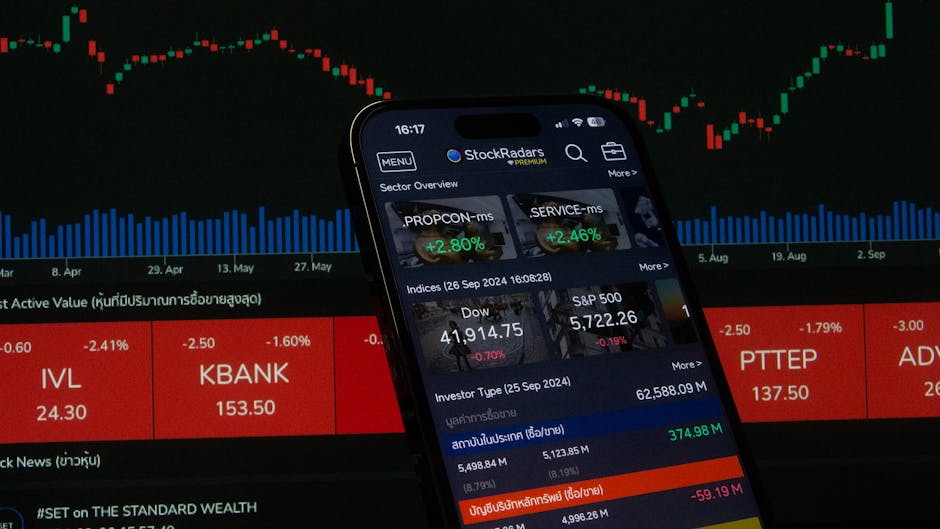
This is why I always say: if you want to "play" with your money, treat it like entertainment and budget it accordingly — accept the ticket price and move on.
How Transparency Makes All The Difference
Casinos publish the RTP (return to player) percentages for their games—thanks to gaming commissions. You know exactly what the house edge meaning is, in plain terms.
Financial apps? They hide their price inside spreads, theta decay, and assignment risks. The effective “ticket price” rarely gets spelled out. Gamifying trading with confetti and badges obscures the negative expected value beneath.
Time Horizon and the Law of Large Numbers
Another key principle underpinning the house edge as a ticket price is the law of large numbers. Casinos don’t make money on one hand; they make it on millions of hands.
Similarly, if your investment strategy is positive EV, time horizon lets the law of large numbers work to your favor. But if it’s negative EV — like buying weekly options repeatedly — then the longer you play, the more likely you are to pay that “ticket price” repeatedly, leading to losses.
Aspect Casino Game with House Edge Weekly Options on Brokerage App Broad Equity Ownership Expected Value (EV) Negative (house edge ~4%) Usually Negative (due to theta decay, spreads, fees) Positive (historical average returns ~7% annually) Transparency High (RTP published) Low (costs hidden inside mechanics) High (historical data readily available) Time Horizon Impact Longer play increases losses Longer repeated trades increase losses Longer horizon increases returns Risk Type Primarily expectation loss Expectation loss + operational risks Market risk with positive EV Best Viewed As Entertainment cost (ticket price) Speculative cost with negative EV InvestmentBudgeting for Gambling and Speculation
Treat your "house edge" costs as a budget line item. Just like you budget for a movie ticket, a concert, or a sports event, budget for gambling or options speculation with the understanding you are paying for an experience, not an investment.
If you chase "you can stop early" arguments without proper expected value calculation, you’re ignoring the sign in front of the number—and that’s a surefire way to blow up your account.
Final Thoughts
To sum up: a 4% house edge isn’t just a number, it’s a price tag on your bet or trade.
Casinos are upfront with it—we can choose to pay for entertainment or walk away. Brokerage apps selling weekly options? Not so much. They hide their costs inside technical terms: theta decay, assignment risk, spreads, and commissions.
Know the sign in front of your expected value. Know your budget for gambling as entertainment. Understand that true investing is about positive EV, transparency, and a long time horizon working for you—not against you.