How Long Should I Expect to Wait for an Insurance Claim After a Major Storm?
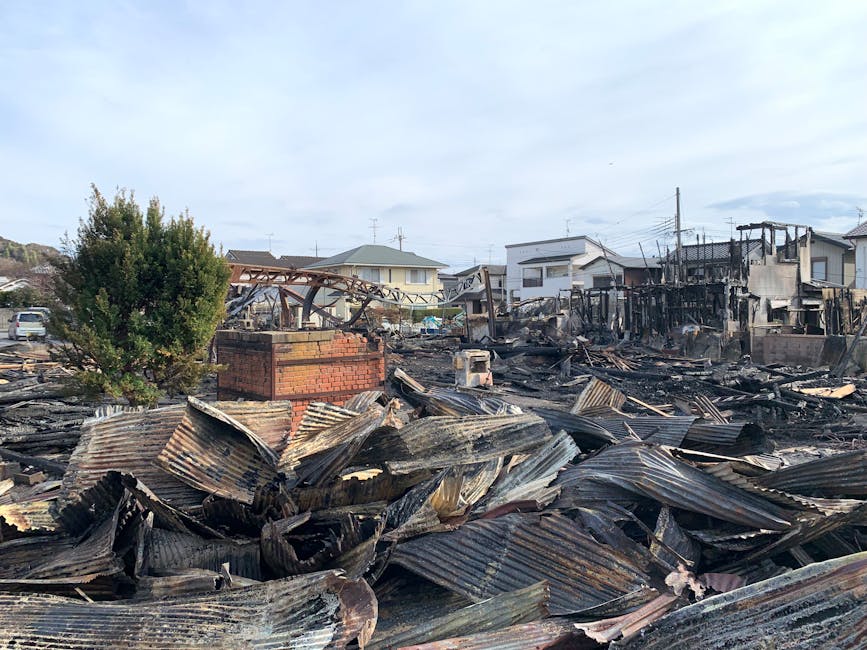
After a major storm, the damage may be obvious: a roof is open, water is coming in, or a tree has landed on the house. The insurance timeline is less obvious. Some claims are settled in a few weeks; others take months, especially when a regional disaster leaves insurers, adjusters, contractors, and suppliers stretched thin.
There is no single answer to “How long will my claim take?” The size and complexity of the loss matter, as do documentation, policy terms, local conditions, and the insurer’s ability to inspect the property. A useful way to plan is to think in stages: report the loss, prevent further damage, get inspected, document the scope, resolve disagreements, and receive payment. Delays can happen at any stage.
The practical goal is not to guess an exact settlement date. It is to keep the claim moving, avoid preventable mistakes, and make a cash plan for the time between the storm and the money arriving.
A realistic timeline after a major storm
After a widespread event, an insurer may receive thousands of claims in a short period. An adjuster backlog can mean a longer wait for the first inspection or for follow-up visits. Even after an inspection, the adjuster may need contractor estimates, engineering opinions, drying records, or other information before the insurer can determine what is covered and how much is owed.
The ranges below are planning estimates, not promises. A relatively straightforward claim may move faster; a disputed, severe, or complex loss can take longer.
Claim stage What may happen What can slow it down First days You report the loss, receive a claim number, and take steps to protect the property. High call volume, power or internet outages, and difficulty reaching the insurer. First few weeks An adjuster may inspect the damage and request records, photos, or estimates. Adjuster backlog, unsafe access, contractor shortages, or damage that is hard to see. Following weeks The insurer evaluates coverage and the repair scope, then may issue an initial payment or request more information. Missing documents, disagreements about cause or scope, and supplemental inspections. Months, in some cases Repairs, supplements, negotiations, or dispute resolution continue. Major structural damage, material shortages, multiple policies, or unresolved coverage questions.Insurer deadlines and claim-handling rules vary by state and can change. Ask your insurer for the applicable process and deadlines, and keep a written record of what you are told. If a response seems overdue, follow up in writing and ask what specific information or action is still needed.
Why an insurance claim delay happens
Too many losses arrive at once
In a quiet season, an adjuster may be able to inspect a claim quickly. After a major hurricane, many policyholders may be waiting for the same limited pool of staff and independent adjusters. Access problems, damaged roads, utility outages, and safety restrictions can make inspections slower even when the insurer is trying to move claims forward.
The damage is not always visible at the first visit
Water can travel behind walls, beneath flooring, or into insulation. Wind damage may involve roof components that are not safe to inspect immediately. A first estimate may therefore be incomplete. If repairs reveal additional damage, the contractor may need to submit a supplement with photos, measurements, and an itemized estimate. That review can add time.
Coverage and repair scope may be disputed
The insurer’s estimate and a contractor’s estimate may differ. They may use different assumptions about materials, labor, code requirements, or the amount of damaged area. There can also be questions about what caused the damage or whether a specific part of the loss is covered. Ask for the insurer’s explanation in writing, compare estimates line by line, and provide evidence supporting any requested revision.
Contractors and supplies are in short supply
After a regional storm, contractors may be booked for weeks and prices or delivery times may shift. That can affect both the physical repair schedule and the claim file: the insurer may need a detailed scope, while the contractor may be unable to provide one promptly. Get written estimates when possible, confirm licensing and insurance, and be cautious about signing broad contracts under pressure.
Temporary repairs: protect the home and document the work
Do HELOC after hurricane not wait for an adjuster to stop active damage. If it is safe, take reasonable steps to prevent additional loss: cover an opening, remove standing water, or arrange emergency drying. These are often called temporary repairs or mitigation. The exact obligations and reimbursement rules depend on your policy, so contact the insurer as soon as you can and ask what documentation it needs.
- Photograph and video the damage before moving or discarding items, when it is safe to do so.
- Keep receipts for tarps, emergency labor, water extraction, lodging, and other storm-related expenses.
- Save damaged materials or belongings when practical, unless keeping them creates a safety or health hazard.
- Record dates, names, claim numbers, and summaries of calls with the insurer and contractors.
- Ask the insurer how to submit invoices and whether it wants to inspect before non-emergency repairs begin.
Temporary work is not the same as completing permanent repairs. Make the distinction clear in invoices and photos. A careful paper trail can help explain why work was urgent and what it cost, and it can make it easier to address a later disagreement about the scope of damage.
Plan for the deductible before the claim is settled
For many Florida homeowners, a hurricane deductible is a percentage of the home’s insured dwelling limit, not a small flat charge. The precise policy language matters: the deductible may be calculated using the Coverage A limit, and it may apply under specified hurricane conditions. Check the declarations page and ask your insurer to explain the calculation for your policy.
Common hurricane deductible options: 2%, 5%, 10%
Dwelling coverage limit 2% deductible 5% deductible 10% deductible $400,000 $8,000 $20,000 $40,000 $600,000 $12,000 $30,000 $60,000 $800,000 $16,000 $40,000 $80,000This simple example shows why deductible math can create a five-figure cash gap before repairs are fully funded. The deductible is not necessarily the only out-of-pocket cost. You may also face expenses for items not covered, temporary housing, upgrades, or repairs that cost more than the insurer’s estimate. A policy may also provide an initial payment that is reduced by depreciation, with some recoverable depreciation paid only after eligible repairs are completed and documented. Read your policy and payment explanation carefully.
Why cash can be tight just when you need it
Post-storm liquidity can be constrained from several directions at once. Banks may have branch, staffing, or processing interruptions. Contractors may ask for deposits or payment for emergency work. Materials may cost more or take longer to arrive. Meanwhile, you may still be waiting for an inspection, a coverage decision, or a supplement review.

Do not assume that a HELOC or new credit line will be available on demand. Lenders may pause applications in a disaster area, tighten underwriting, or require a property inspection that cannot happen promptly. An existing credit line may be more accessible than applying for a new one, but availability and terms depend on your lender and your finances.
Before borrowing, estimate the gap rather than focusing only on the repair total. Include the deductible, immediate mitigation costs, any expected delay before reimbursement, and a reserve for expenses the policy may not cover. Ask contractors about payment schedules and get the terms in writing. Avoid paying a large amount upfront without understanding the contract, the work, and the contractor’s credentials.
Other liquidity options—and the trade-offs
If savings and an existing credit line are not enough, some families consider borrowing against an asset. A collateral loan is a loan in which an asset is held as security. For example, a watch held as security may be considered as a short-term source of funds. Companies such as Diamond Banc operate in the asset-backed lending space; compare any offer carefully, including the interest rate, fees, loan term, storage arrangements, and what happens if repayment is late. The risk is real: if you do not meet the agreement, you could lose the pledged item.
For a watch loan, secondary market pricing trackers such as WatchCharts can offer context on observed market pricing. They do not determine the amount a lender will advance, guarantee a sale price, or replace a written appraisal and loan offer. Condition, model, documentation, liquidity, and lender policies all matter.
If you already work with an investment professional, you may also ask about the implications of using assets to raise cash. A firm such as Morgan Stanley may provide financial services, but the right options depend on your account, eligibility, and the terms offered. Do not assume a brokerage account, securities-based loan, or other financial product is available or appropriate for a storm-related emergency. Understand potential market, tax, interest-rate, and collateral risks before moving assets or borrowing.
These are possibilities to compare, not recommendations. The least costly and safest option may be to use savings, negotiate a staged repair plan, or wait for a claim payment—if the home is protected and waiting does not create further damage. Avoid high-cost borrowing that could turn a temporary cash crunch into a long-term financial problem.
Steps that can help keep the claim moving
- Report promptly. Use the insurer’s preferred channel, note the claim number, and ask how to submit photos, invoices, and estimates.
- Make a damage record. Take wide and close-up images, list damaged property, and preserve receipts. Keep copies in a cloud folder or with someone outside the affected area.
- Ask for the next action. At each contact, ask who owns the next step, what is needed, and when to follow up. Confirm important conversations in writing.
- Track temporary repairs separately. Keep emergency mitigation invoices distinct from permanent-repair estimates, and document why urgent work was necessary.
- Compare estimates carefully. Identify missing rooms, materials, or tasks rather than relying on a single total. Send supporting evidence with any supplement request.
- Build a short-term cash plan. List the deductible, urgent expenses, available savings, existing credit, and likely timing of payments. Treat any expected claim money as uncertain until it is approved and issued.
- Escalate thoughtfully. If communication stalls, use the insurer’s formal complaint or escalation process. For a serious coverage dispute, consider speaking with a qualified Florida insurance professional or attorney.
What to expect—and what you can control
After a major storm, a straightforward claim might be resolved in weeks, while a claim involving extensive damage, an adjuster backlog, or a scope dispute can stretch into months. The first payment may not equal the final repair cost, and the timing of supplemental payments can depend on documentation and policy terms.
You cannot control how quickly a region recovers or how many claims an insurer is handling. You can control how promptly you report the loss, how well you document it, whether temporary repairs are recorded, and how clearly you understand your deductible and cash needs. Those steps will not guarantee a fast decision, but they can reduce avoidable delays and help you prepare for the gap between storm damage and a completed repair.
Most important, protect people first, prevent additional damage when safe, and make financial decisions with the written policy and actual loan terms in front of you. A claim is a process, not a guaranteed deadline—and a realistic plan for both the paperwork and the cash flow can make that process more manageable.