Can I Pay for Streaming Services Through My Phone Bill?
Paying for streaming services just got simpler—and faster. More consumers want seamless checkout experiences that fit naturally into their mobile lifestyle. If you've ever wondered, “Can I pay for my streaming subscription using my monthly phone bill?”, you're not alone. With alternative payment methods becoming mainstream, including direct carrier billing, the answer is increasingly “Yes.”
Why Streaming Subscriptions Are Moving Beyond Credit Cards
Traditional card payments have long been the default for subscribing to streaming platforms like Netflix, Disney+, or Spotify. Yet, there’s been a noticeable shift in payment preferences, especially on mobile devices.
- Faster checkout reduces abandoned carts: The longer a user struggles entering card details, the more likely they are to give up the subscription sign-up.
- Mobile-first users want convenience: Many prefer using methods tied directly to their phone, avoiding typing out long card numbers on small screens.
- New payment tools unlock alternative options: Apple Pay and Google Pay enable quick tap-to-pay options, while carrier billing offers a direct but lesser-known alternative.
In this post, we explore how paying via your monthly phone bill works, why it matters, which companies support it, and the role that app stores and digital content platforms play in this evolution. We’ll also talk about the mobile-first user experience needed to make all this possible.
Understanding Direct Carrier Billing
Direct carrier billing (DCB) means charging purchases directly to your phone bill, rather than entering credit card info. Instead of paying through your bank or third-party processors, the cost of your streaming subscription is added to your carrier account and appears on your monthly statement.
How Does Direct Carrier Billing Work?
- You select “Pay with mobile carrier” as your payment method when subscribing to a streaming service.
- Your mobile network operator confirms your identity using your phone number.
- The streaming service sends a payment request to your carrier.
- Once approved, the carrier adds the charge to your monthly phone bill.
- You receive access to the streaming content without entering card details.
This process eliminates lengthy form filling and card verification steps. It’s especially effective for one-click or very short purchase flows on mobile devices.
What Streaming Services Accept Carrier Billing?
Many leading streaming platforms are starting to support carrier billing, often through partnerships with your mobile operator or through marketplaces like app stores. For example, when subscribing from an app store on your phone, the payment method can default to carrier billing if available.
It’s worth noting that availability depends on your mobile network and country. Major carriers have joined global initiatives, often under the guidance of organizations like the GSMA, to enable secure and widespread carrier billing services.
Apple Pay and Google Pay: The Bridge to Alternative Payments
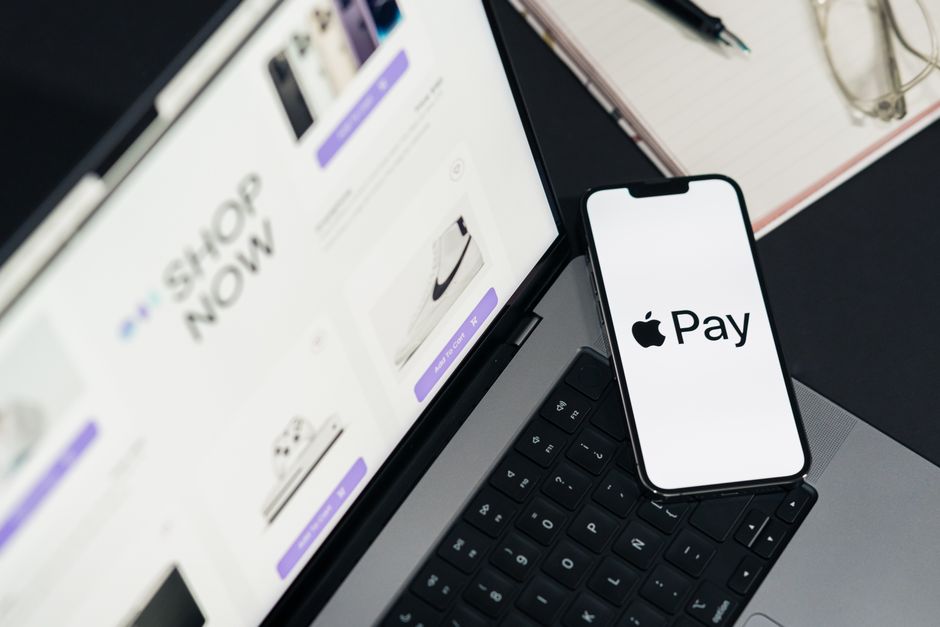
While carrier billing charges your phone bill indirectly, tools like Apple Pay and Google Pay offer seamless and secure alternative payments. These payment wallets store your card or bank info securely and allow you to pay with a tap or biometric authorization.
Here’s how these compare and complement carrier billing for streaming subscriptions:
Payment Method User Experience Billing Source Ideal Use Case Direct Carrier Billing Charge appears on monthly phone bill; no card entry Mobile carrier account Users without cards; prefer consolidated billing Apple Pay Tap to pay using stored card/bank info; secure Linked bank or card iOS users wanting quick checkout Google Pay Tap to pay; biometric or password authentication Linked bank or card Android users seeking fast paymentsBoth Apple Pay and Google Pay are widely supported across major app stores and digital content platforms. When combined with direct carrier billing, these payment options help reduce friction during the subscription process and lower cart abandonment.
Why Mobile-First UX and Small-Screen Design Matter
Mobile devices dominate how users subscribe to and pay for streaming content. A large percentage of purchases happen on smartphones with small screens. This reality requires carefully optimized user experience flows designed for quick taps and minimal data entry.
Key UX Principles for Mobile Streaming Payments
- One-tap payment options: Present Apple Pay, Google Pay, and carrier billing as immediate alternatives with clear call-to-action buttons.
- Minimal input fields: Avoid long forms. Carrier billing requires just phone number verification, speeding the process.
- Transparency about charges: Clearly show that the subscription will appear on the phone bill. Avoid vague language around billing.
- Seamless carrier verification: Subscriptions must trigger a quick backend check with the operator to confirm billing eligibility without user hassle.
When users tap “Subscribe” on a mobile streaming app, the ideal flow asks for as little info as possible and shows instant feedback—“You’ll be charged on your phone bill next month.” This clarity builds trust and reduces drop-offs.
What Happens After You Choose Phone Bill Payment?
Let's sanity-check this: You tap “Pay via phone bill” during checkout. What happens next?

- Your device sends a request to the streaming service’s payment system.
- The payment system communicates with your carrier’s billing platform through an API.
- The carrier confirms your phone number and account status—ensuring your phone plan supports carrier billing.
- If approved, the carrier authorizes the charge and adds it to your next monthly phone bill.
- The streaming service grants immediate access to content or subscription benefits.
Note that the speed depends partly on carrier processing times. While many transactions happen instantly, some carriers impose delays or verification steps. This means “instant access” claims should be made cautiously.
Why Is the GSMA Important in Carrier Billing?
The GSMA represents the interests of mobile operators worldwide and sets standards to facilitate services like direct carrier billing. They work to ensure security, compliance, and interoperability between carriers and digital merchants.
Through GSMA frameworks, carriers and streaming platforms collaborate to protect user data and privacy. This includes:
- Ensuring that only necessary information (phone number, billing status) is shared.
- Maintaining consent and user transparency about charges.
- Providing standardized APIs for secure, fast carrier billing integration.
So, when you pay for a streaming subscription on your phone bill, this isn’t just a random option. It reflects an industry effort guided by bodies like GSMA to combine convenience with security.
Pros and Cons of Using Phone Bill for Streaming Subscription Payments
Advantages Considerations- Quick checkout without entering card details
- Consolidates payments on one monthly bill
- Good for users without cards or bank accounts
- Reduces abandoned subscriptions
- Not all carriers/support regions offer this
- Transaction limits may apply
- Billing disputes handled via carrier, not merchant
- Possible delays in carrier approval
How to Start Paying for Streaming Services via Your Phone Bill
- Check your carrier: Contact your mobile provider or visit their website to see if they support carrier billing for streaming.
- Choose a streaming platform: Look for apps or websites that list “Mobile carrier billing” as a payment option.
- Subscribe via app store or app: Sometimes this option is integrated through Google Play or Apple’s App Store purchase mechanisms.
- Authorize the charge: Confirm the phone number and accept the billing notice.
- Enjoy seamless streaming: Your subscription fee will automatically add to your next monthly phone bill.
Conclusion
Paying for streaming services through your monthly phone bill https://legacystance.com/frictionless-payments-the-rise-of-pay-by-phone-transactions-in-digital-commerce/ is a growing reality thanks to the rise of alternative payments like direct carrier billing. Coupled with mobile-friendly options such as Apple Pay and Google Pay, the checkout experience keeps getting faster, easier, and more secure.
App stores and digital content platforms play central roles in enabling carrier billing with streamlined mobile UX designed for small screens. Backed by industry standards from groups like the GSMA, this payment method is both trustworthy and convenient.
If you want fewer checkout hassles and less typing on your phone, explore streaming services or app stores that offer carrier billing. Just make sure to confirm network availability and billing details beforehand.
In short: Yes, you can pay for streaming services through your phone bill—and it’s a smart choice for many mobile-first users.